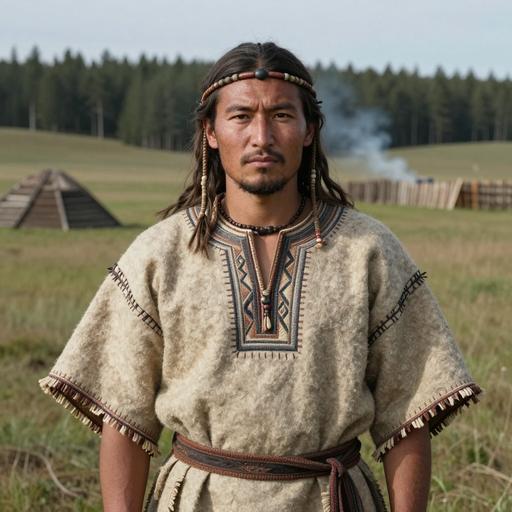
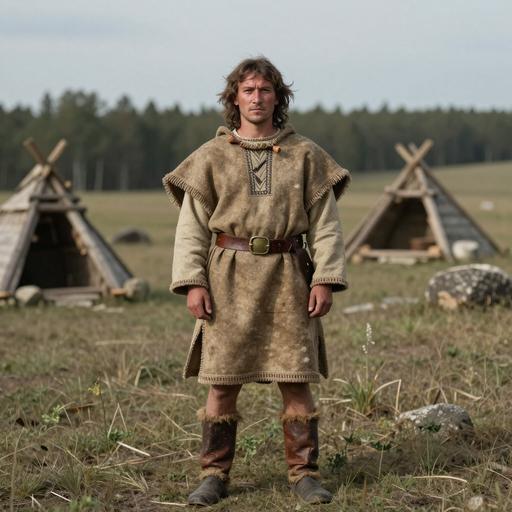
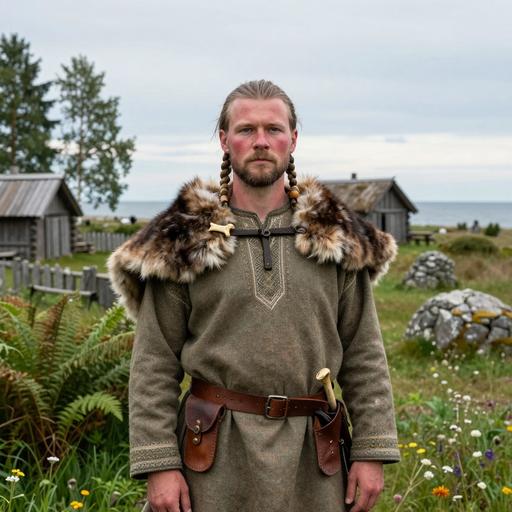
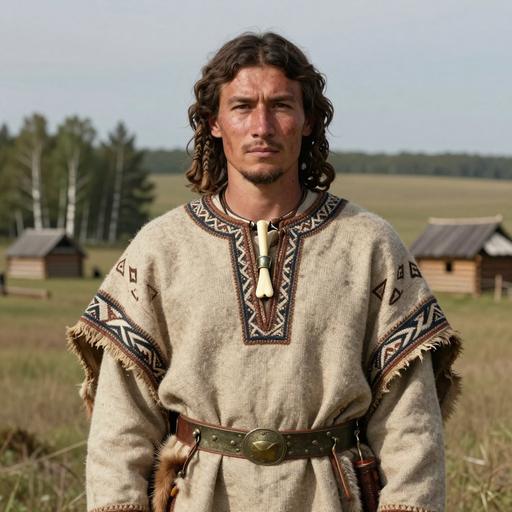
The Story
The journey of Y-DNA haplogroup NO [K2A]
Origins and Evolution
Y-DNA haplogroup NO is a primary split within K2a that most likely formed in Southeast Asia in the Upper Paleolithic (~45 kya). It sits immediately upstream of the two dominant descendant lineages N and O, which rapidly differentiated and spread into distinct ecological and cultural zones. While the ancestral, undifferentiated NO paragroup is rarely observed in modern populations or ancient DNA, its phylogenetic position indicates an early diversification event in eastern Eurasia followed by major downstream expansions associated with different demographic processes (post‑glacial re‑colonizations, Mesolithic movements, and Neolithic farming dispersals).
Subclades (if applicable)
Undifferentiated NO itself has few confirmed downstream private branches in modern surveys; the most consequential split is the bifurcation into N and O. These daughter clades have many well‑documented subclades:
- Haplogroup N: expanded northward into Siberia and northeastern Europe, forming high frequencies among Uralic and some northern Eurasian groups.
- Haplogroup O: diversified extensively across East and Southeast Asia and is strongly associated with Neolithic agriculturalist expansions (including lineages that spread with Austroasiatic, Tai‑Kadai, Hmong‑Mien, and Austronesian speaking groups).
Because NO is an ancestral node, most phylogeographic patterns associated with "NO" in practice reflect the distributions and histories of N and O rather than persistent, undifferentiated NO.
Geographical Distribution
Modern and ancient DNA evidence shows that undifferentiated NO is rare, but the genetic legacy of the NO node is widespread through its daughters. Geographically:
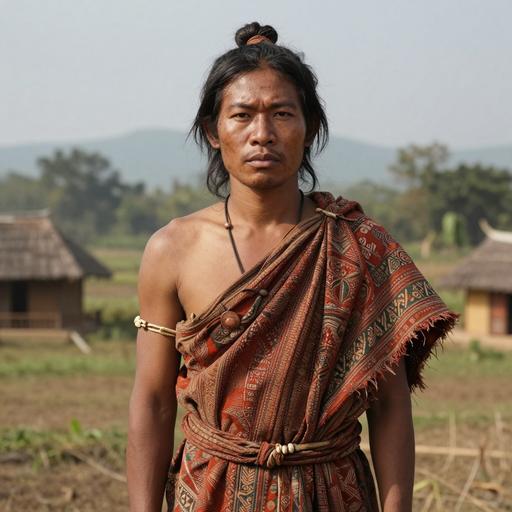
- East Asia and Southeast Asia contain the bulk of O's diversity and therefore the greatest genetic signature of the NO ancestral split.
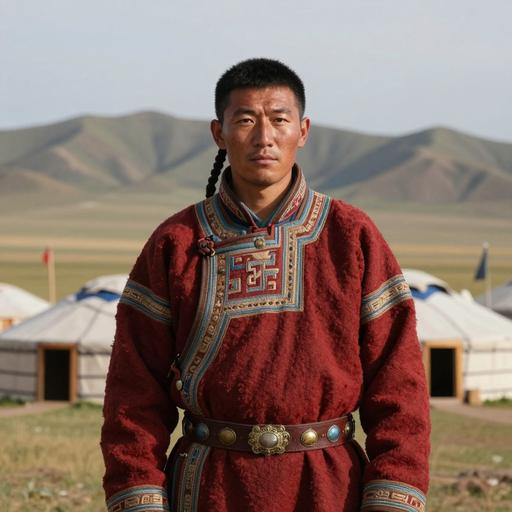
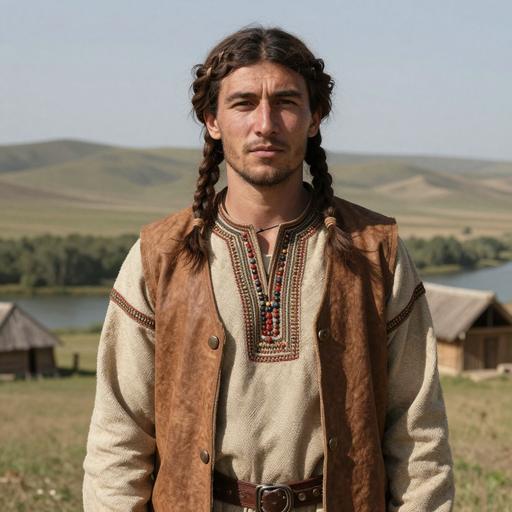
- Northeast Asia and Siberia show strong representation of N subclades, indicating a northward/post‑glacial expansion from eastern Eurasian source populations.
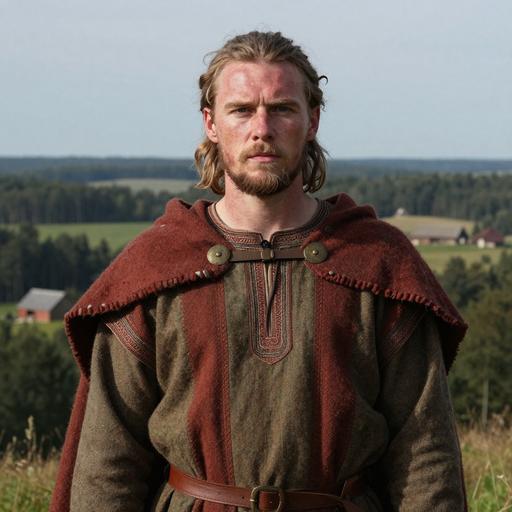
- Northern Europe has NO legacy primarily via N subclades linked to later Bronze/Iron Age and Uralic‑associated movements.
Ancient DNA has identified NO or close relatives only sporadically in archaeological samples, consistent with either early diversification that left few persistent undifferentiated descendants or a rapid split followed by regionally dominant daughter clades.
Historical and Cultural Significance
Although undifferentiated NO itself left limited direct archaeological signatures, its descendant clades are associated with significant cultural and demographic processes:
- Post‑glacial recolonization: N subclades reflect movements into high‑latitude Eurasia after the Last Glacial Maximum.
- Neolithic agricultural expansions: O subclades correlate strongly with the spread of farming and language families across East and Southeast Asia and with later Austronesian maritime dispersals.
- Ethno‑linguistic patterns: High frequencies of N and O in particular populations help explain present‑day correlations between paternal lineages and language families (e.g., Uralic associations for N; Sino‑Tibetan, Austroasiatic, Tai‑Kadai, Austronesian associations for various O branches).
Conclusion
Haplogroup NO occupies a pivotal phylogenetic position in the paternal tree of Eurasia: it represents an Upper Paleolithic split in eastern Eurasia whose biological legacy is primarily carried by the expansive and culturally important daughter clades N and O. For genetic genealogy, interpreting the NO node requires focusing on downstream subclades (N and O) to understand regional histories, while recognizing NO as the ancestral source of major male‑lineage diversification across northern, eastern, and Southeast Asia.
Key Points
- Origins and Evolution
- Subclades (if applicable)
- Geographical Distribution
- Historical and Cultural Significance
- Conclusion